


- 2026-05-20
- 2026-05-20
- 2026-05-20
- 2026-05-20
- 2026-05-20
- 2026-05-20
- 2026-05-20
- 2026-05-20
- 2026-05-20
- 2026-05-20
Discussion on the use method, advantages and application of water-based coatings
waterborne metallic paint resin coating with water as the solvent dispersion resin, environmental protection and easy construction. In most cases, waterborne coatings contain up to 80% water and small amounts of other solvents, such as glycol ethers. Because U.S. and European regulations require water-based coatings to have a volatile organic compound content of less than 3.5 pounds per gallon of water, these coatings are also referred to as environmentally friendly coatings.
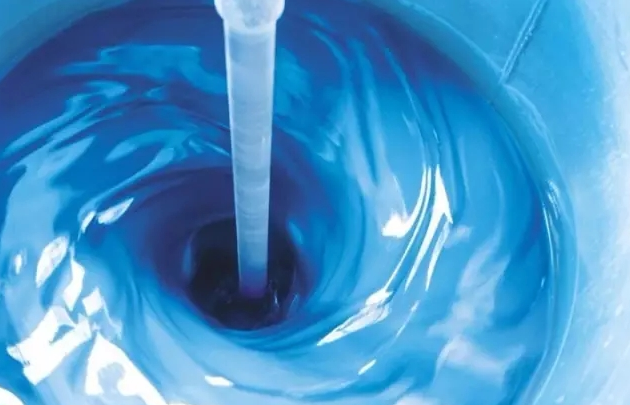
The main sources of volatile organic compounds: outdoor mainly from fuel combustion and transportation; indoor mainly from coal, natural gas and other combustion products, smoking, heating and cooking smoke, construction and decoration materials, furniture, household appliances, detergents and human emissions. In the interior decoration process, volatile organic compounds mainly come from paints, paints and adhesives. The content of volatile organic compounds in general paints is 0.4-1.0 mg/m3. Due to the strong volatility of volatile organic compounds, in general, volatile organic compounds can be volatile 90% within 10 hours after paint construction, and the volatile organic compounds in the solvent only release 25% of the total amount during the paint drying process. Water-soluble coatings-containing water-soluble resin, a single molecule completely dissolved in water. Such resins are generally produced by shrinkage or polymerization of an organic medium, so that they contain primarily organic co-solvents such as alcohols, glycol ethers or other oxygen-containing solvents that are soluble in or miscible with water. Resins used include polyester, acrylate, alkyd, epoxy and epoxy. Its high gloss, good anti-corrosion performance, good pigment performance, wet stability.
water-dispersible paint or gel-like paint-contains a small amount of insoluble resin particles, suspended in water by mechanical stirring. A small amount of organic solvent is used as a coagulant and is evaporated after drying. Resins used in these dispersion coatings include vinyl propionate copolymers, vinyl acetate copolymers, acrylic methyl methacrylate copolymers, styrene-butadiene copolymers, and polymers. Colloidal dispersions are mainly used for covering porous materials. Latex paint/Latex paint-similar to water dispersible paint. The main difference is that the resin population in the emulsion tends to be large and requires the use of an emulsifier to keep the population suspended. The resins used include styrene-butadiene copolymers, acrylic resins, alkyd resins, polyvinyl acetate and polystyrene. These coatings can increase permeability and allow it to breathe, thereby reducing blistering or flaking.
Waterborne Alkyd Coatings-These coatings take longer to dry than solvent-based coatings, but the final result has similar gloss, flow and leveling. Wide range of uses, almost can be diluted with water to viscosity. Water-based alkyd resin can be used for painting and painting, is one of the cheaper VOC compatible coatings.


